
Build.
Play.
Iterate.

Our development process isn't a black box. It's a transparent, user-tested cycle built to deliver stable, engaging mobile experiences—optimized for the devices and networks Polish gamers actually use.

Start a Project
Tested on 30+ Devices
2-Week Sprints
Polish Community First Feedback from local forums & players

The Development Cycle

A visual guide to how we move from idea to launch.

01

Discovery & Ideation

02

Prototyping

03

Agile Sprints

04

QA & Polish

05

Launch & Monitor

1

Discovery & Ideation

We start with collaborative workshops—not in a boardroom, but often over Discord with the target user: the Polish mobile gamer. We document core gameplay loops and define personas like "The Commuter" or "The Esports Hopeful." This phase produces a shared concept brief that aligns everyone on the "why" before we write a single line of code.
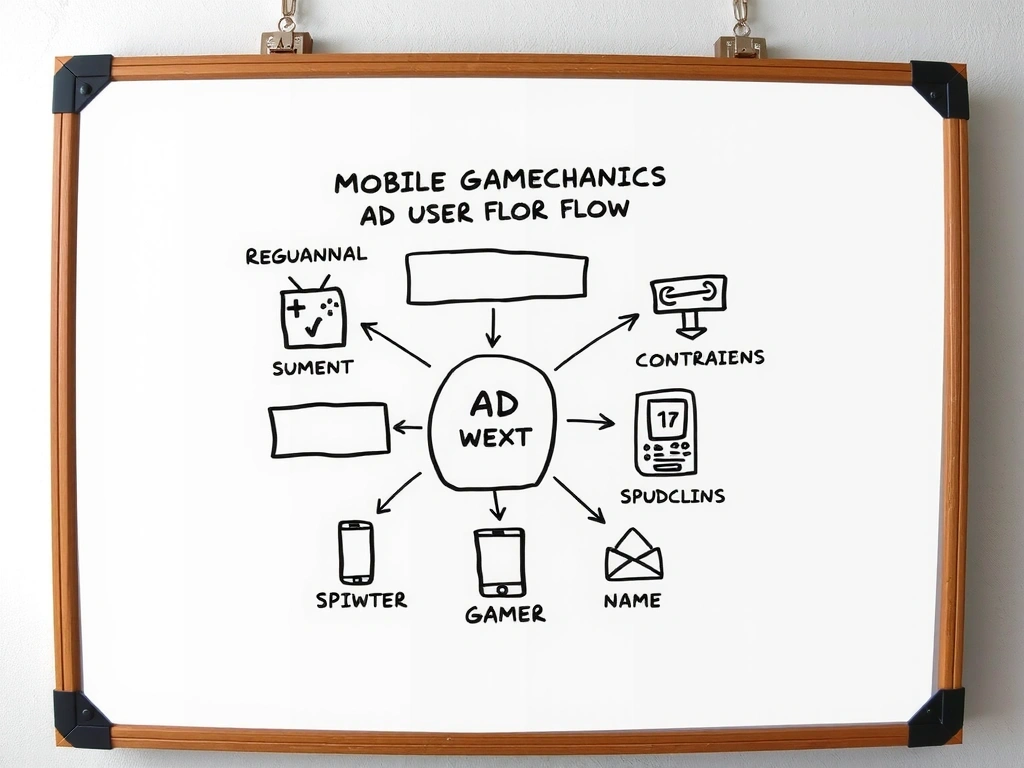
Workflow sketch from discovery phase

Caption: Early concept sketch from a collaboration session.

3

Agile Development Sprints

Code happens in two-week sprints with daily stand-ups. Our continuous integration pipeline automatically tests every build against a matrix of devices common in Poland: Xiaomi Redmi series, Samsung Galaxy A-line, and older flagship models. This ensures we catch performance regressions early.

Field Note: The 120Hz Reality

While many devs target 60fps, we design for 120Hz on supported devices. This creates a fluid feel but requires aggressive asset optimization to avoid thermal throttling on phones without active cooling.

5

Launch & Post-Launch Analytics

Launch is just the beginning. We immediately deploy to Google Play and track key metrics: first-day retention, session length, and feature adoption. All analytics are anonymized and GDPR-compliant. This data directly feeds our first update cycle, often within two weeks of launch.

Core Terms: The Datreno Lexicon

We avoid buzzwords. Here's what our process terms actually mean in practice.

Minimum Lovable Product

Our preferred version of MVP. It means shipping a core loop that feels complete and fun, even if the feature set is limited. It's the difference between a prototype and a game.

vs. "Minimum Viable"

Performance Budget

A hard limit (e.g., 500ms load time, 60fps on a 3-year-old phone). Every graphical effect or asset is weighed against this budget. If it breaks the budget, it gets cut or optimized.

Constraint, not goal

Device Matrix

Our testing roster. It's curated from Polish market data: e.g., Xiaomi Poco F3, Samsung Galaxy S20, older models like the Huawei P30. We test on real devices, not just emulators.

Real devices only

Feedback Loop

The 2-week cycle from collecting player feedback (via in-game surveys or Polish forums) to shipping a patch. It's our primary mechanism for keeping the game relevant.

2 weeks, max

Asset Streaming

Loading game content in chunks as needed, not all at once. Critical for Poland's mobile data caps; ensures a smooth start without downloading 2GB on a limited plan.

Data-friendly

Crash Reporting

Automated logs from player devices (opt-in). We prioritize fixes based on volume and device type. A crash on a top-selling Xiaomi model is higher priority than one on a niche tablet.

Prioritized by impact

How We Navigate Reality

Every project operates within hard limits. Our job is to make smart trade-offs that protect the player experience. We're transparent about these constraints because they define what's possible.

Methodology: Robustness Testing

We define "robust" not by lab benchmarks, but by "can a Polish student on a data plan play this game on a bus from Kraków to Warsaw without frustration?" If the answer is yes, we ship.

Trade-Off Matrix

Visual Fidelity VS Performance

Our Choice: Adaptive rendering. We use high-res textures on premium devices but auto-reduce resolution on older hardware to maintain 60fps.

Feature Scope VS Launch Speed

Our Choice: Launch with the core loop, then add features in bi-weekly updates. We measure success by first-week retention, not feature count.

Monetization VS Player Experience

Our Choice: Rewarded video ads > forced interstitials. In-app purchases are for cosmetics, not power. We track ad fatigue as a key metric.

Common Pitfalls & Our Fixes

We've made these mistakes so you don't have to.

Optimism Bias

Assuming a low-end phone will run the same as a high-end one in Poland.

Our Fix:

Build a "performance profile" for each device in our matrix and test asset streaming early.

Ignoring Carrier Networks

Building for WiFi, then shipping to players on Play & Orange 4G with data caps.

Our Fix:

Implement strict asset streaming limits and offer "Low Data Mode" in settings.

Over-Engineering

Adding complex features that dilute the core loop and delay launch.

Our Fix:

Ruthless scoping. If a feature doesn't serve the core loop, it moves to the post-launch roadmap.

Silent Launch

Shipping to app stores without a targeted Polish community push.

Our Fix:

Pre-launch campaigns on local forums and Discord servers, offering beta access to engaged members.

Ready to build with clarity?

Let's discuss your app idea. We'll walk you through a realistic scope, timeline, and how we navigate the constraints specific to your target device and market.

Datreno • ul. Nowy Świat 12, 00-001 Warszawa, Poland

+48 22 123 45 67 • info@datreno.online • Mon-Fri: 9:00-18:00